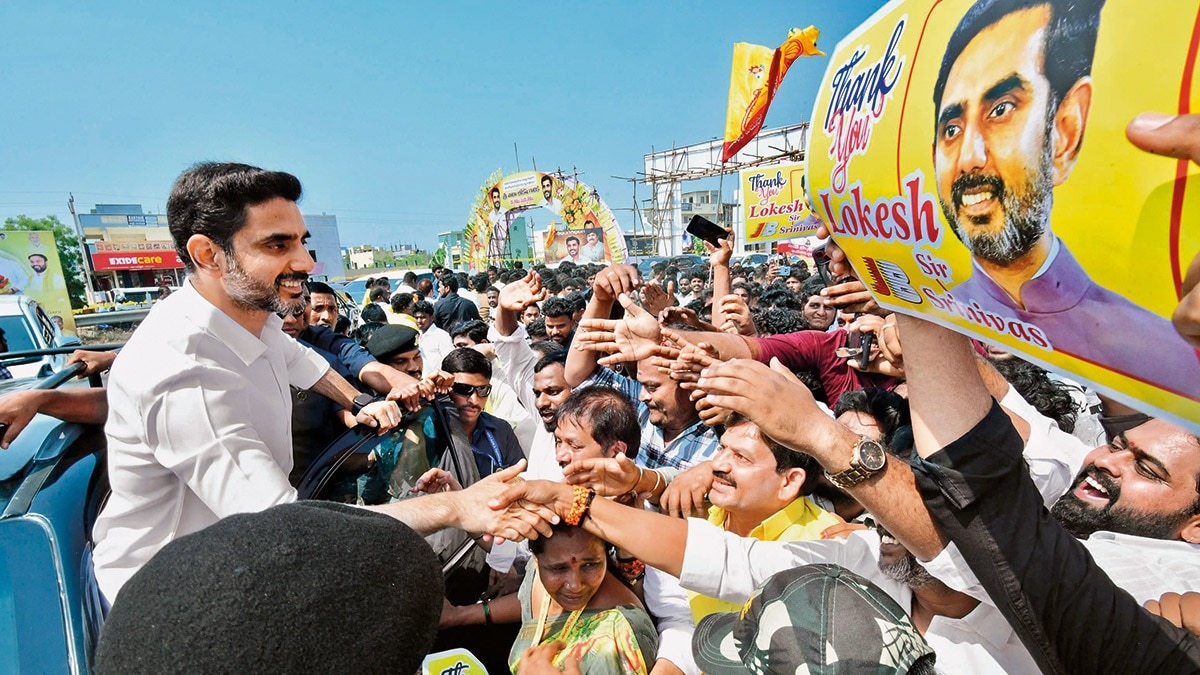
Five days before April 20—his 76th birthday—Chandrababu Naidu, four-time chief minister of Andhra Pradesh and head of the Telugu Desam Party, elevated his only child, TDP national general secretary Nara Lokesh, to the post of working president, effectively anointing him as the undisputed successor of the party.
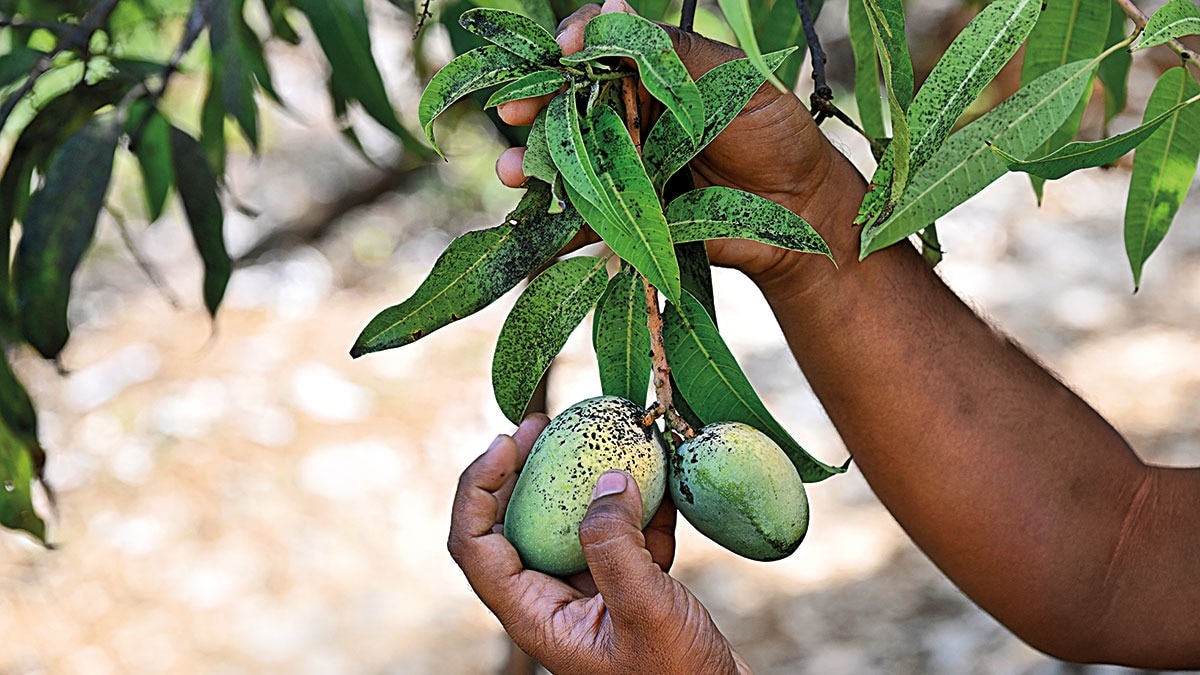
Worry etched large across his face, Omkar Kulkarni points to a sprawling mango tree in his orchard in Nivendi village, near the pilgrimage centre of Ganpatipule in Maharashtra’s Ratnagiri district. “This tree dates to my grandfather’s time. Till recently, it would yield around 70 crates of Alphonso [popularly called Hapus]. This time, I will get barely 10,” says Kulkarni. Around 200 km away in Malvan in neighbouring Sindhudurg district, farmer Sanjay Nare echoes Kulkarni’s concern. In a normal year, he sells about 25,000 boxes of the prized fruit, each with a dozen; this season, he will be fortunate to reach even 5,000.
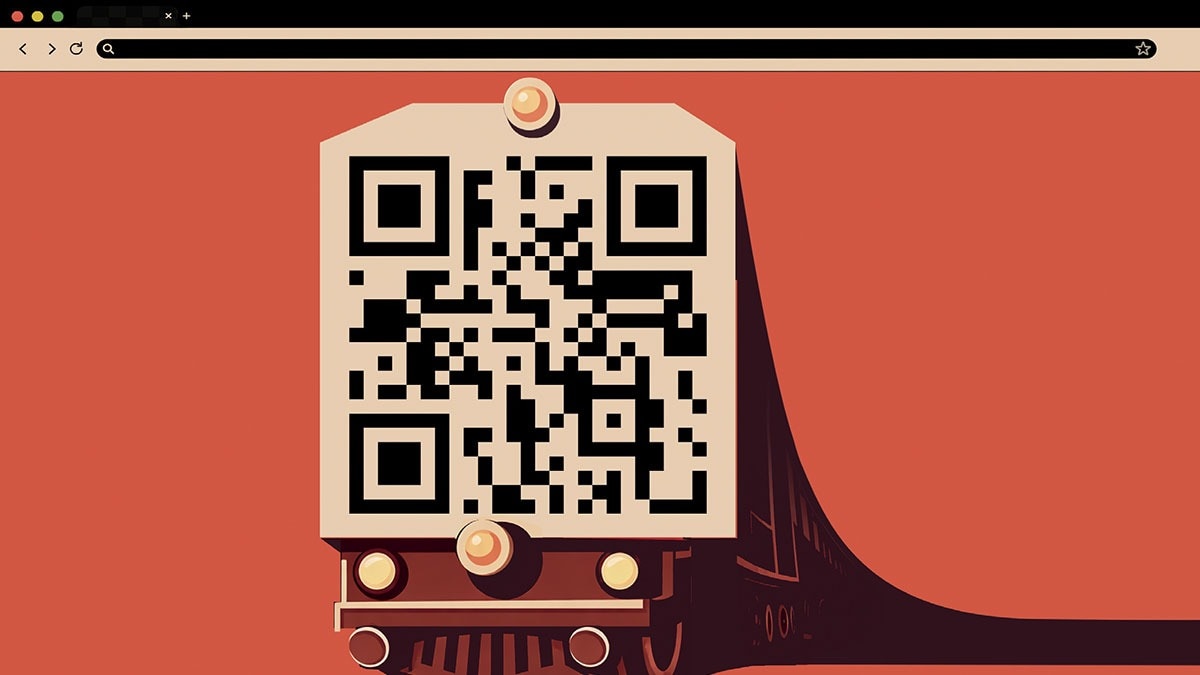
For years, the ticketing interface of the Indian Railways has drawn persistent complaints, often accused of being slow, bugs-infested and unreliable. So much so that the Indian Railway Catering and Tourism Corporation (IRCTC), which powers e-ticketing through its website, regularly finds itself on the defensive in the court of social media. “At peak hour of ticket booking, say 8 am, it’s pure luck if the booking request goes through at first attempt,” says Avik Banerjee, a Kolkata-based medical representative who travels frequently by train within West Bengal. “The queues at the counters are slow, the server is sometimes down, and by the time it restarts, confirmed tickets are sold out.” This is a familiar pain point for anyone who has ever tried booking a railway ticket in India. That, at last, is about to change.
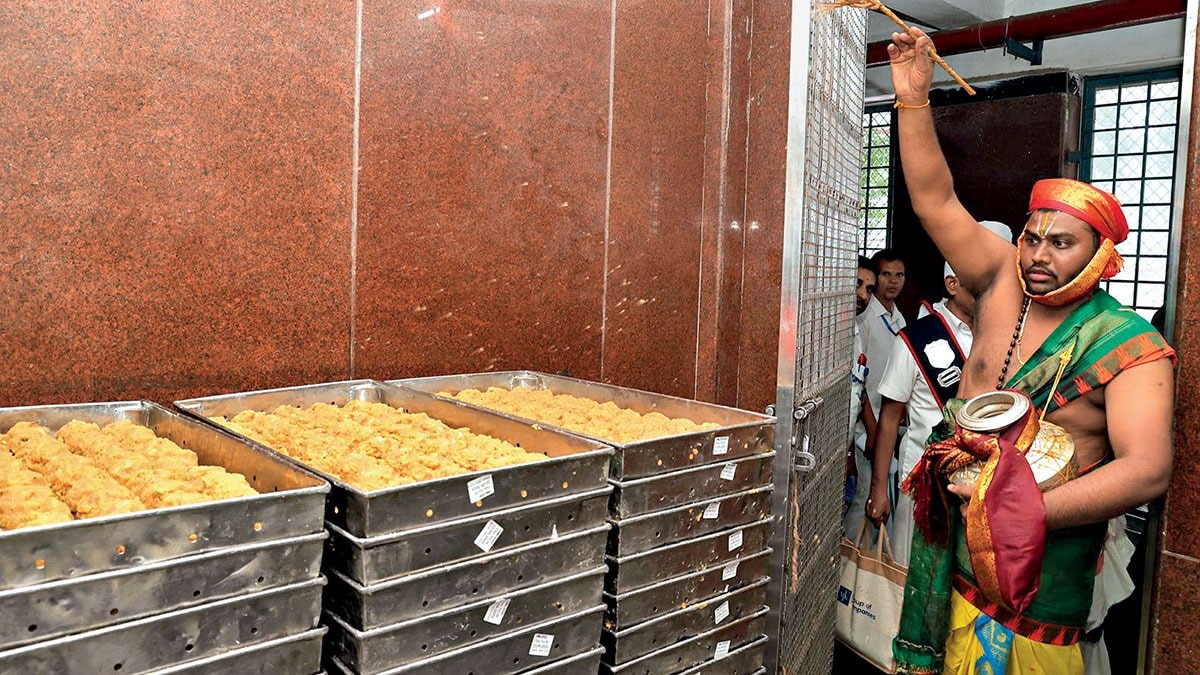
For about one and a half years now, Andhra Pradesh politics has revolved around the ubiquitous laddu. No ordinary laddu, this famed Tirupati one is divine, offered first to the state’s most venerated deity—Lord Venkateshwara—and consumed as mahaprasadam by lakhs of devotees daily.
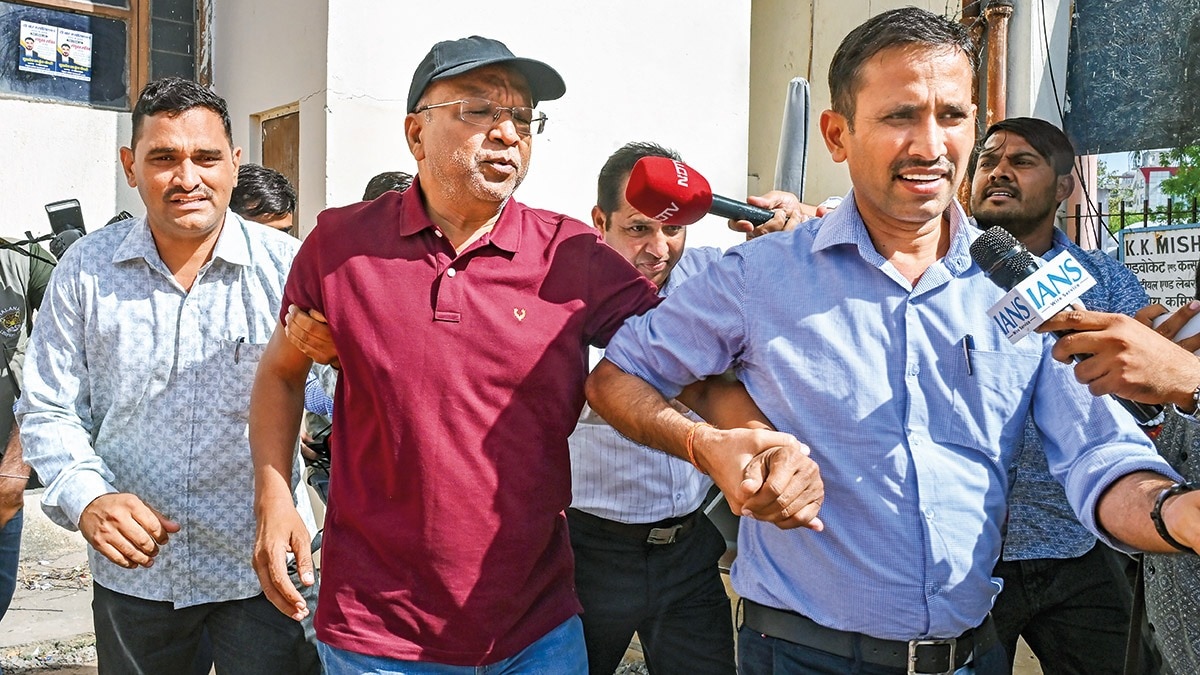
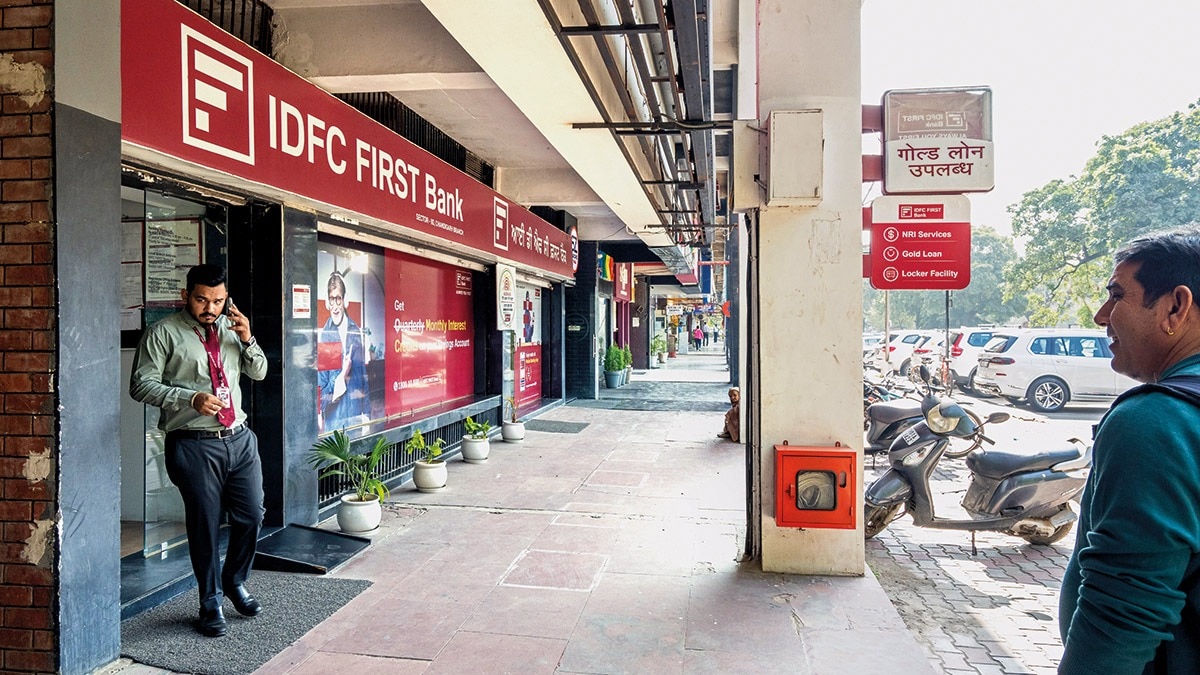
It began as a routine government exercise. In mid-January, officials from Haryana’s Directorate of Treasuries and Accounts (DTA) wrote to a Chandigarh branch of IDFC First Bank, seeking the closure of several long-running accounts and the transfer of the balances to the government’s Axis Bank account. As part of the standard reconciliation practice ahead of the fiscal year-end, the DTA compared the bank’s balance confirmations with figures in the government’s Integrated Financial Management System (IFMS). The figures did not tally: deposits reflected in the government’s books were missing from the bank’s statements.